Don't Ignore Heel Pain! รู้จักโรครองช้า: สาเหตุของการปวดส้นเท้าบ่อย
249 Views |
Don't Ignore Heel Pain! รู้จักโรครองช้ำ: สาเหตุของการปวดส้นเท้าบ่อย

What Is Plantar Fasciitis?
Plantar fasciitis is one of the most common causes of heel pain. It occurs when the plantar fascia—a thick band of connective tissue that runs along the bottom of the foot from the heel to the toes—becomes irritated or inflamed.
โรครองช้ำเป็นหนึ่งในสาเหตุที่พบบ่อยที่สุดของอาการปวดส้นเท้า เกิดจากการอักเสบหรือการระคายเคืองของพังผืดฝ่าเท้า (Plantar Fascia) ซึ่งเป็นเนื้อเยื่อเส้นหนาที่ทอดยาวจากกระดูกส้นเท้าไปจนถึงโคนนิ้วเท้า
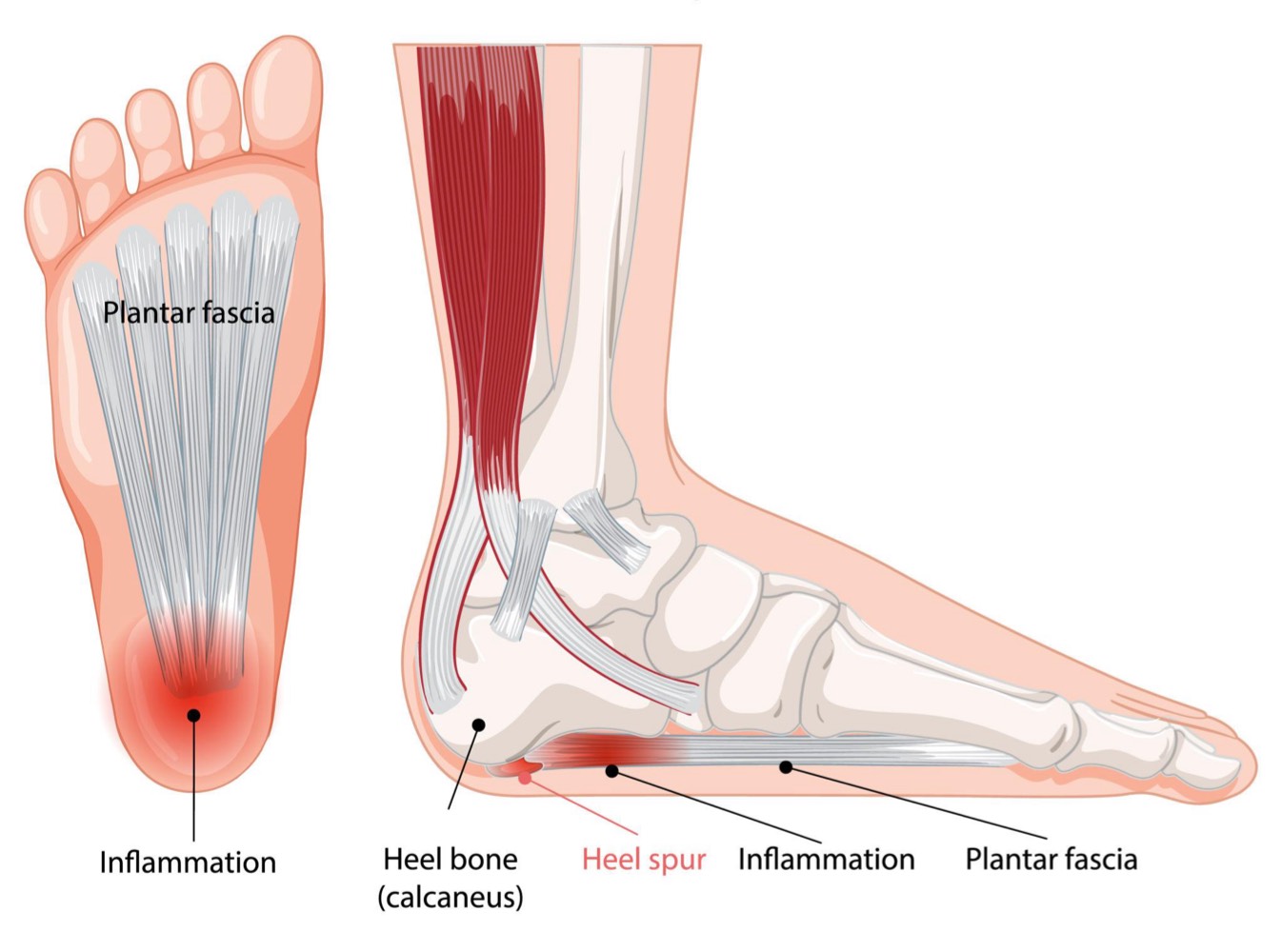
The plantar fascia plays an essential role in supporting the arch of the foot and absorbing the stresses of walking, running, and standing. When excessive strain is placed on this tissue, tiny tears can develop, leading to pain and discomfort.
Common Symptoms of Plantar Fasciitis

People with plantar fasciitis often experience:
• Sharp or stabbing pain in the heel
• Pain that is worse during the first steps in the morning
• Discomfort after prolonged periods of sitting or rest
• Heel pain that increases after exercise or activity
• Tightness in the calf muscles or Achilles tendon
• Tenderness along the bottom of the foot
The pain may gradually worsen if left untreated and can interfere with daily activities.
อาการของโรครองช้ำ
ผู้ที่มีภาวะรองช้ำมักมีอาการดังต่อไปนี้
• ปวดบริเวณส้นเท้าหรือใต้ฝ่าเท้า
• ปวดมากในช่วงก้าวแรกหลังตื่นนอนตอนเช้า
• ปวดหลังจากนั่งพักหรืออยู่นิ่งเป็นเวลานาน
• อาการปวดเพิ่มขึ้นหลังออกกำลังกายหรือใช้งานเท้าหนัก
• รู้สึกตึงบริเวณน่องหรือเอ็นร้อยหวาย
• กดเจ็บบริเวณใต้ส้นเท้า
หากไม่ได้รับการดูแลอย่างเหมาะสม อาการอาจค่อย ๆ รุนแรงขึ้นและส่งผลต่อการใช้ชีวิตประจำวัน
What Causes Plantar Fasciitis?
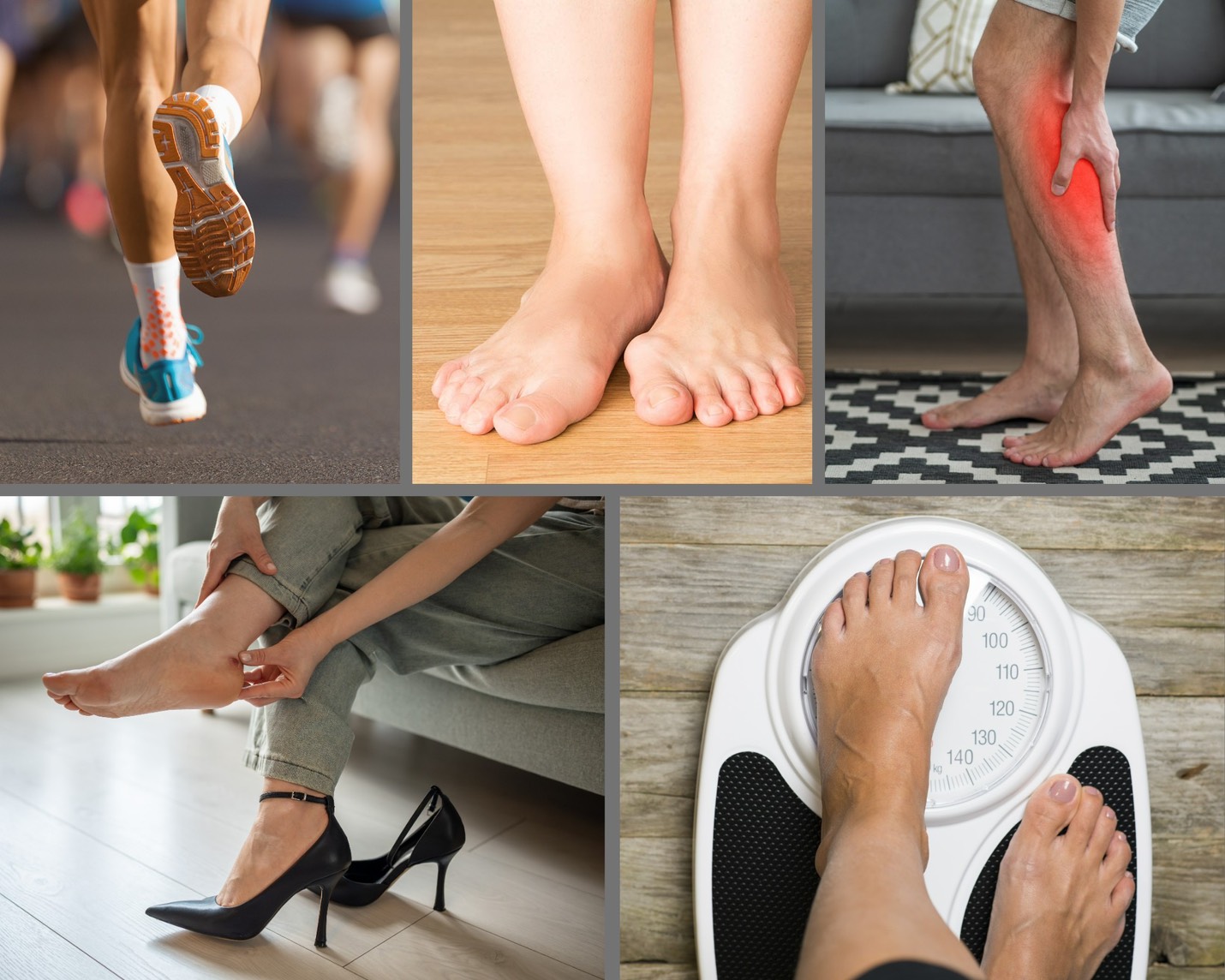
Several factors can increase the risk of developing plantar fasciitis, including:
1. Overuse and Repetitive Stress
Activities such as running, walking long distances, or standing for extended periods can place excessive stress on the plantar fascia.
2. Poor Foot Mechanics
Flat feet, high arches, or abnormal walking patterns can alter how weight is distributed across the foot.
3. Tight Calf Muscles
Limited ankle mobility caused by tight calf muscles can increase tension on the plantar fascia.
4. Inappropriate Footwear
Shoes that lack proper arch support or cushioning may contribute to heel pain.
5. Excess Body Weight
Additional body weight places greater stress on the feet and plantar fascia.
สาเหตุการเกิดรองช้ำ
1. การใช้งานเท้ามากเกินไป
การวิ่ง เดินระยะไกล หรือยืนเป็นเวลานาน สามารถเพิ่มแรงกดต่อพังผืดฝ่าเท้าได้
2. โครงสร้างเท้าผิดปกติ
ผู้ที่มีเท้าแบน อุ้งเท้าสูง หรือมีรูปแบบการเดินที่ผิดปกติ อาจมีความเสี่ยงต่อการเกิดรองช้ำมากขึ้น
3. กล้ามเนื้อน่องตึง
ความตึงของกล้ามเนื้อน่องและเอ็นร้อยหวายอาจทำให้ข้อเท้าเคลื่อนไหวได้ไม่เต็มที่ ส่งผลให้พังผืดฝ่าเท้ารับแรงมากขึ้น
4. รองเท้าที่ไม่เหมาะสม
รองเท้าที่ขาดการรองรับอุ้งเท้าหรือมีพื้นแข็งเกินไป อาจเพิ่มความเสี่ยงต่อการเกิดอาการปวดส้นเท้า
5. น้ำหนักตัวเกินมาตรฐาน
น้ำหนักตัวที่มากขึ้นส่งผลให้ฝ่าเท้าต้องรับแรงกดมากขึ้นในทุกก้าวที่เดิน
Can Plantar Fasciitis Be Prevented?
The following strategies may reduce your risk:
• Wear supportive shoes appropriate for your activity
• Stretch regularly, especially the calves and feet
• Maintain a healthy body weight
• Increase training intensity gradually
• Replace worn-out athletic shoes
• Address foot and ankle mobility limitations early
ป้องกันโรครองช้ำอย่างไร?
แม้จะไม่สามารถป้องกันได้ทั้งหมด แต่สามารถลดความเสี่ยงได้ด้วยวิธีต่อไปนี้
• สวมรองเท้าที่เหมาะสมกับกิจกรรม
• ยืดกล้ามเนื้อน่องและฝ่าเท้าเป็นประจำ
• ควบคุมน้ำหนักให้อยู่ในเกณฑ์เหมาะสม
• เพิ่มความหนักของการออกกำลังกายอย่างค่อยเป็นค่อยไป
• เปลี่ยนรองเท้ากีฬาเมื่อเริ่มเสื่อมสภาพ
• ดูแลความยืดหยุ่นและการเคลื่อนไหวของข้อเท้าอย่างสม่ำเสมอ
Recommended Exercises for Plantar Fasciitis
4 exercises can help reduce pain, improve flexibility, strengthen supporting muscles, and promote recovery from plantar fasciitis.
ท่าออกกำลังกายสำหรับผู้ที่มีอาการรองช้ำ
นอกจากการรักษาและการปรับพฤติกรรมการใช้งานเท้าแล้ว การออกกำลังกายและยืดเหยียดอย่างเหมาะสมยังมีส่วนสำคัญในการลดอาการปวด ฟื้นฟูการทำงานของพังผืดฝ่าเท้า และป้องกันการกลับมาเป็นซ้ำ
1. Roller With Ball
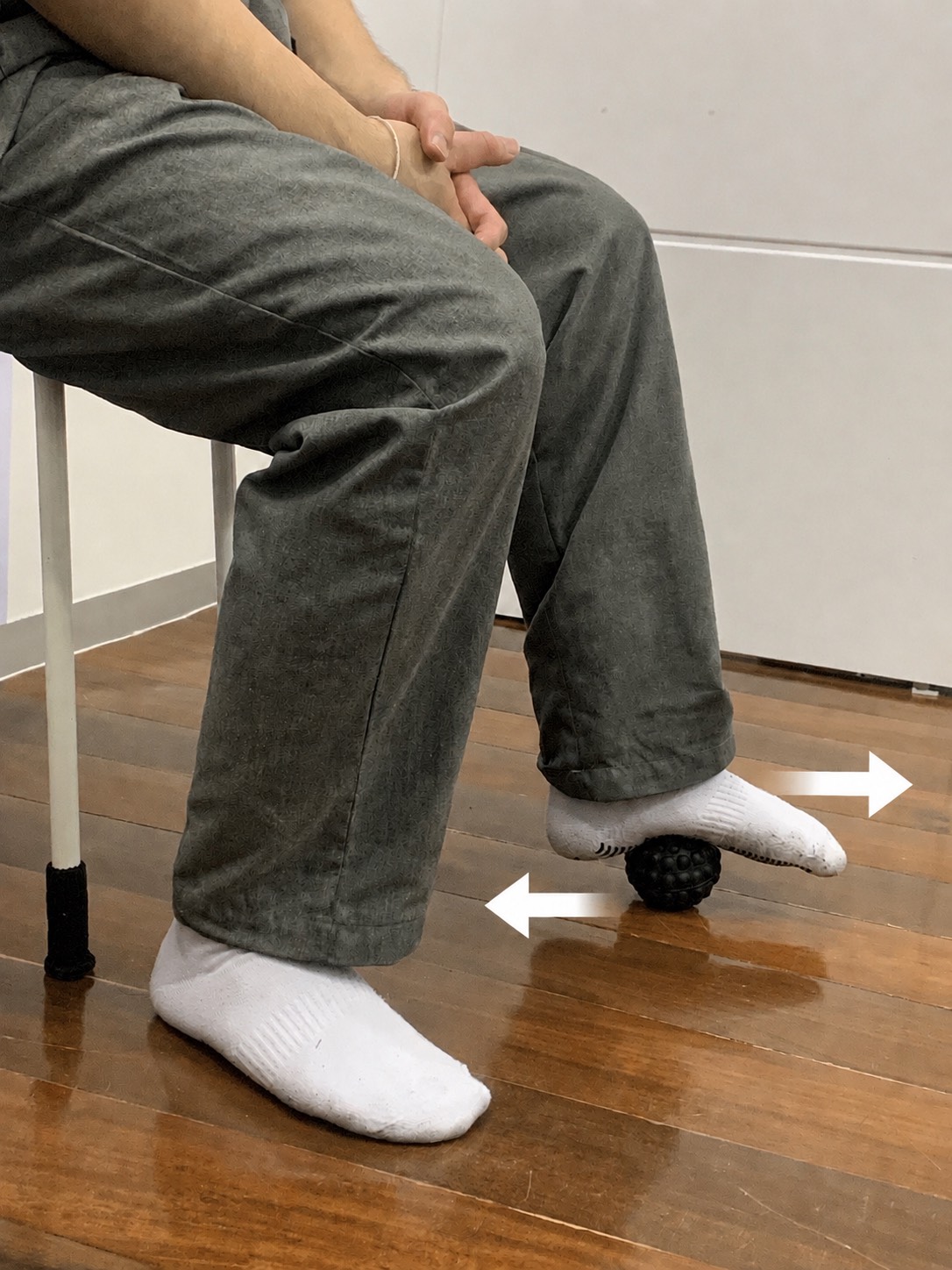
Rolling a ball under the foot helps release tension in the plantar fascia, improve circulation, and reduce heel pain.
How to Perform:
- Sit comfortably in a chair.
- Place a tennis ball or massage ball under your foot.
- Slowly roll the ball from your heel to the base of your toes.
- Apply gentle pressure to areas that feel tight or tender.
- Continue for 1–2 minutes on each foot.
การใช้ลูกบอลกลิ้งใต้ฝ่าเท้าช่วยคลายความตึงของพังผืดฝ่าเท้า กระตุ้นการไหลเวียนเลือด และลดอาการปวดบริเวณส้นเท้า
ขั้นตอนการทำ
• นั่งบนเก้าอี้ในท่าที่สบาย
• วางลูกบอลไว้ใต้ฝ่าเท้า
• กลิ้งลูกบอลจากส้นเท้าไปยังโคนนิ้วเท้าอย่างช้า ๆ
• ทำต่อเนื่อง 1–2 นาที
2. Sitting Calf Raise
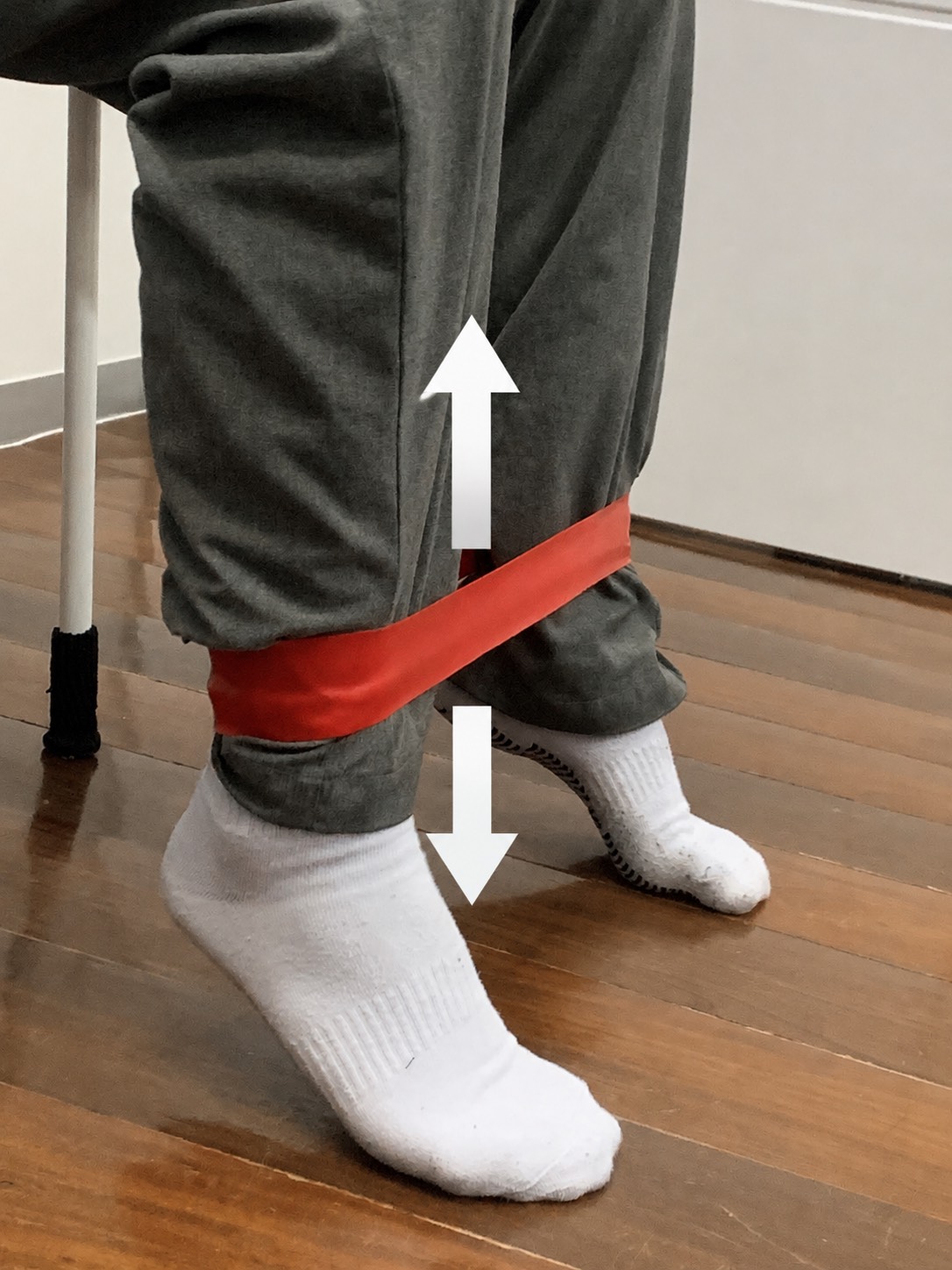
This exercise strengthens the calf muscles and supporting structures of the foot while placing minimal stress on the plantar fascia.
How to Perform:
- Sit in a chair with your feet flat on the floor.
- Slowly raise your heels as high as possible while keeping your toes on the ground.
- Lower your heels back down
- Perform 10–15 repetitions. * Complete 2–3 sets.
ท่านี้ช่วยเสริมสร้างความแข็งแรงของกล้ามเนื้อน่องและกล้ามเนื้อที่ช่วยพยุงอุ้งเท้า โดยเหมาะสำหรับผู้ที่ยังมีอาการปวดและต้องการเริ่มฝึกอย่างค่อยเป็นค่อยไป
ขั้นตอนการทำ
• นั่งบนเก้าอี้โดยวางเท้าราบกับพื้น
• ค่อย ๆ ยกส้นเท้าขึ้นให้สูงที่สุด
• ลดส้นเท้าลงอย่างช้า ๆ
• ทำ 10–15 ครั้งต่อเซต จำนวน 2–3 เซต
3. Standing Calf Raise
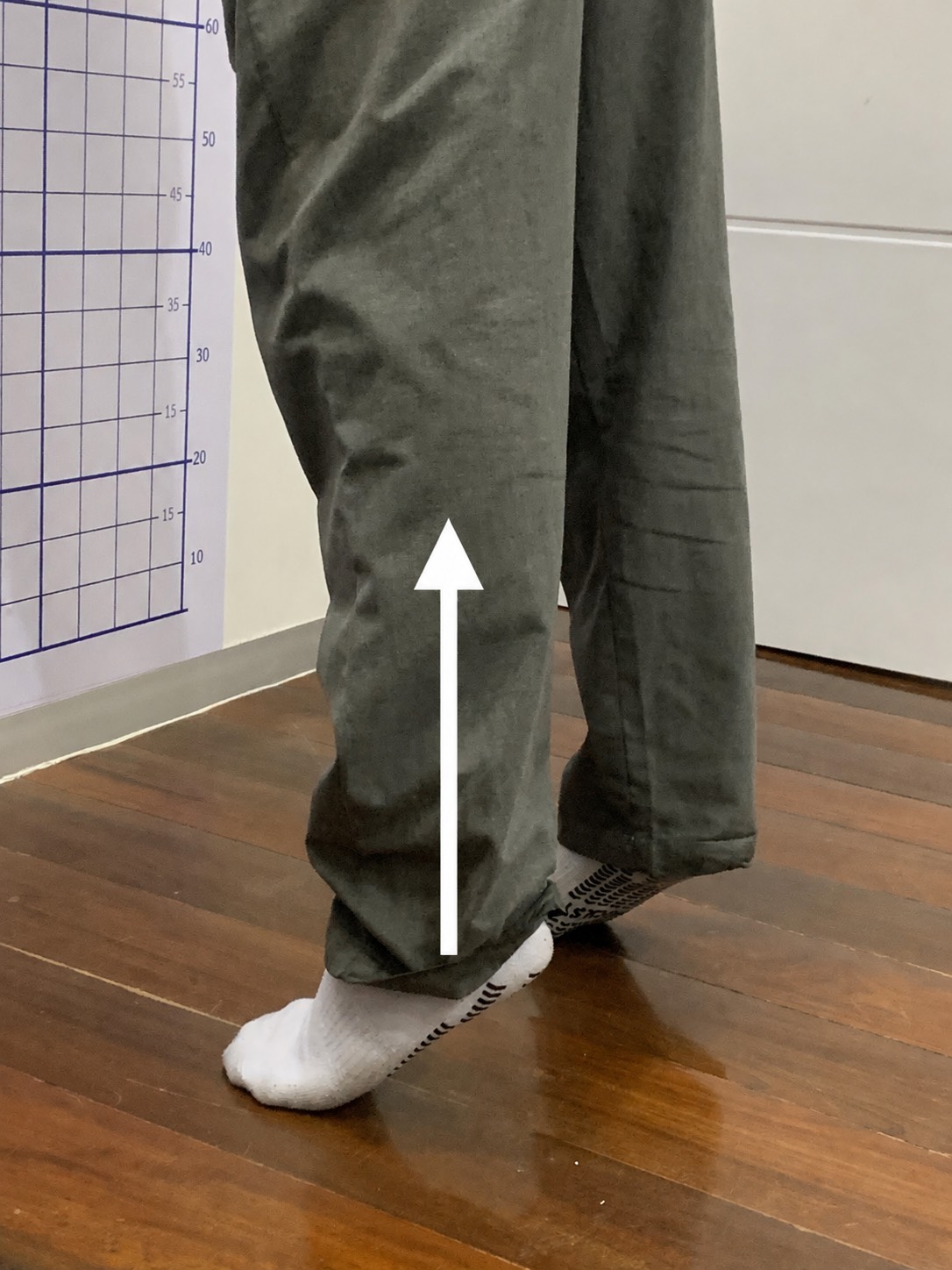
As symptoms improve, standing calf raises can help build strength and increase the foot’s ability to tolerate daily activities.
How to Perform:
- Stand on a flat surface or the edge of a step.
- Slowly rise onto your toes as high as possible.
- Pause briefly at the top.
- Lower your heels slowly and with control.
- Perform 10–15 repetitions. * Complete 2–3 sets.
เมื่ออาการดีขึ้น สามารถเพิ่มความแข็งแรงของกล้ามเนื้อน่องและเอ็นร้อยหวายด้วยท่ายืนยกส้นเท้า ซึ่งช่วยให้เท้ารับแรงได้ดีขึ้นในชีวิตประจำวัน
ขั้นตอนการทำ
• ยืนบนพื้นราบหรือขอบบันได
• ค่อย ๆ ยกส้นเท้าขึ้นจนเขย่งสูงสุด
• ลดส้นเท้าลงอย่างช้า ๆ และควบคุมการเคลื่อนไหว
• ทำ 10–15 ครั้งต่อเซต จำนวน 2–3 เซต
4. Calf Muscle Stretch
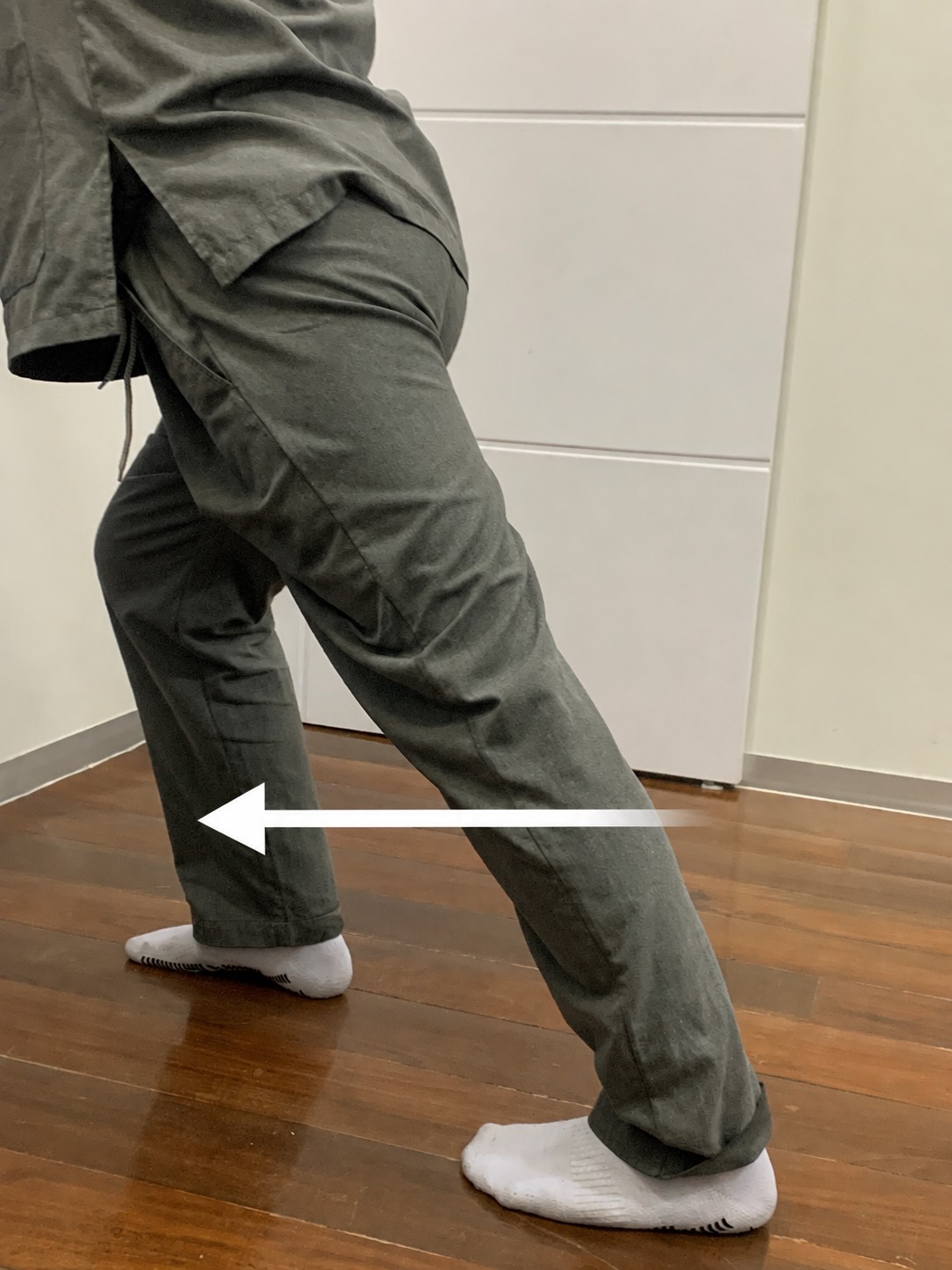
Tight calf muscles can increase tension on the plantar fascia. Regular stretching helps improve flexibility and reduce strain on the foot.
How to Perform:
- Stand facing a wall.
- Place the affected leg behind you and keep the knee straight.
- Keep your heel on the ground and lean forward until you feel a stretch in your calf.
- Hold for 10–20 seconds. * Repeat 3–5 times on each side.
กล้ามเนื้อน่องที่ตึงสามารถเพิ่มแรงดึงต่อพังผืดฝ่าเท้าได้ การยืดกล้ามเนื้อน่องจึงเป็นส่วนสำคัญของการรักษาอาการรองช้ำ
ขั้นตอนการทำ
• ก้าวขาข้างที่ต้องการยืดไปด้านหลัง
• เหยียดเข่าให้ตรงและวางส้นเท้าติดพื้น
• โน้มตัวไปด้านหน้าจนรู้สึกตึงบริเวณน่อง
• ขั้นตอนการทำค้างไว้ 10–20 วินาที * ทำซ้ำ 3–5 ครั้ง
หากมีอาการปวดส้นเท้านานเกิน 2–3 สัปดาห์ เดินลำบาก หรืออาการไม่ดีขึ้นแม้ดูแลตนเองแล้ว ควรเข้ารับการประเมินจากแพทย์หรือนักกายภาพบำบัด เพื่อรับการรักษาที่เหมาะสมตั้งแต่ระยะแรก
If you are experiencing persistent heel pain, seeking professional assessment and treatment can help you recover more effectively and prevent future flare-ups.
หากคุณกำลังมีอาการปวดส้นเท้า อย่าปล่อยไว้จนเรื้อรัง การเข้ารับการประเมินและรักษาตั้งแต่เนิ่น ๆ จะช่วยให้ฟื้นตัวได้เร็วขึ้นและลดโอกาสกลับมาเป็นซ้ำในอนาคต
อย่า walk-in นะคะ จองมาก่อนน้าาา
ออกใบรับรองแพทย์การทำหัตถการได้
ออกใบเสร็จรับเงินเต็มรูปแบบได้
สำรองจ่ายก่อนแล้วนำไปเบิกได้
เราเป็นสถานพยาบาลคลินิก
สบายใจค่า มาคลายกล้ามเนื้อกัน
━━━━━━━━━━━━━━━━━━
ออฟฟิกซ์คลินิก – คลินิกเฉพาะทางออฟฟิศซินโดรม
เปิดทุกวัน จันทร์-ศุกร์ เวลา 09.00 – 18.00 น. เสาร์อาทิตย์ เวลา 09.00 – 18.00 น.
ชั้น 1 อาคารออฟฟิศใหญ่สาธรซิตี้ ทาวเวอร์ ตั้งอยู่ใจกลางสาทร
BTS ช่องนนทรี (ทางออกที่ 5)
มีที่จอดรถสะดวกสบายสำหรับลูกค้า
Google MAP: https://maps.app.goo.gl/fJrjnpb4xWo5sY9bA
━━━━━━━━━━━━━━━━━━━
Offix Clinic – Specialized Office Syndrome Clinic
Open every day Monday – Friday from 09.00 a.m. to 06.00 p.m. Saturday – Sunday from 09.00 a.m. to 06.00 p.m.
1st Floor, Sathorn city tower
Chong Nonsi BTS Station (Exit 5)
Parking available for customers
Google MAP: https://maps.app.goo.gl/fJrjnpb4xWo5sY9bA


