ทำความรู้จักกับโรค "Shin Splints"
353 Views |
ทำความรู้จักกับโรค "Shin Splints"

What Are Shin Splints?
Shin splints, medically known as medial tibial stress syndrome (MTSS), refer to pain that develops along the inner border of the shinbone (tibia). It is one of the most common overuse injuries among runners, athletes, military recruits, and individuals who suddenly increase their physical activity.
Shin Splints หรือชื่อทางการแพทย์ว่า Medial Tibial Stress Syndrome (MTSS) คืออาการปวดบริเวณด้านในของกระดูกหน้าแข้ง (Tibia) ที่เกิดจากการใช้งานซ้ำ ๆ มากเกินไป มักพบในนักวิ่ง นักกีฬา ผู้ที่ออกกำลังกายด้วยการกระโดดหรือวิ่งเป็นประจำ รวมถึงผู้ที่เพิ่งเริ่มออกกำลังกายหรือเพิ่มความหนักของการฝึกอย่างรวดเร็ว
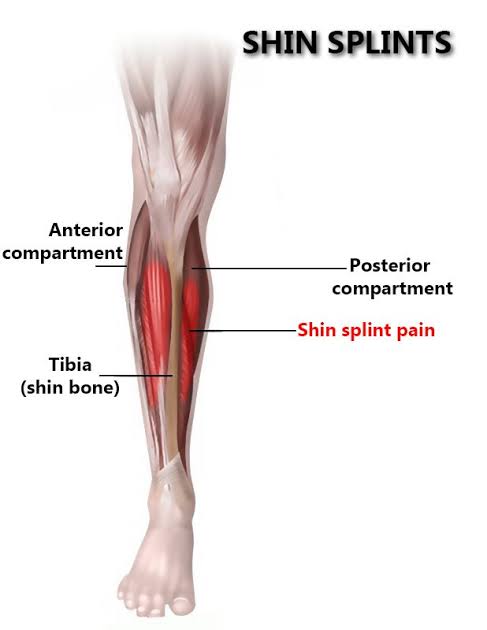
Although shin splints are usually not a serious injury, ignoring the symptoms can lead to prolonged pain or even more severe conditions such as stress fractures.
Common Symptoms of Shin Splints

People with shin splints often experience:
• Pain along the inside of the shinbone.
• Tenderness when touching the affected area.
• Mild swelling in the lower leg.
• Pain that begins during exercise and may improve with rest in the early stages.
• More persistent discomfort if the condition worsens.
The pain may affect one or both legs and is commonly triggered by running, jumping, or prolonged walking.
อาการของ Shin Splints
ผู้ที่มีอาการ Shin Splints มักมีลักษณะดังนี้
• ปวดบริเวณด้านในของกระดูกหน้าแข้ง โดยเฉพาะช่วงครึ่งล่างของขา
• กดแล้วรู้สึกเจ็บตามแนวกระดูกหน้าแข้ง
• อาจมีอาการบวมเล็กน้อยในบริเวณที่ปวด
• ปวดขณะวิ่ง กระโดด หรือออกกำลังกาย และอาจดีขึ้นเมื่อพัก
• หากอาการรุนแรงขึ้น อาจปวดต่อเนื่องแม้ไม่ได้ออกกำลังกาย
อาการสามารถเกิดได้ทั้งข้างเดียวหรือทั้งสองข้าง ขึ้นอยู่กับลักษณะการใช้งานของแต่ละบุคคล
What Causes Shin Splints?
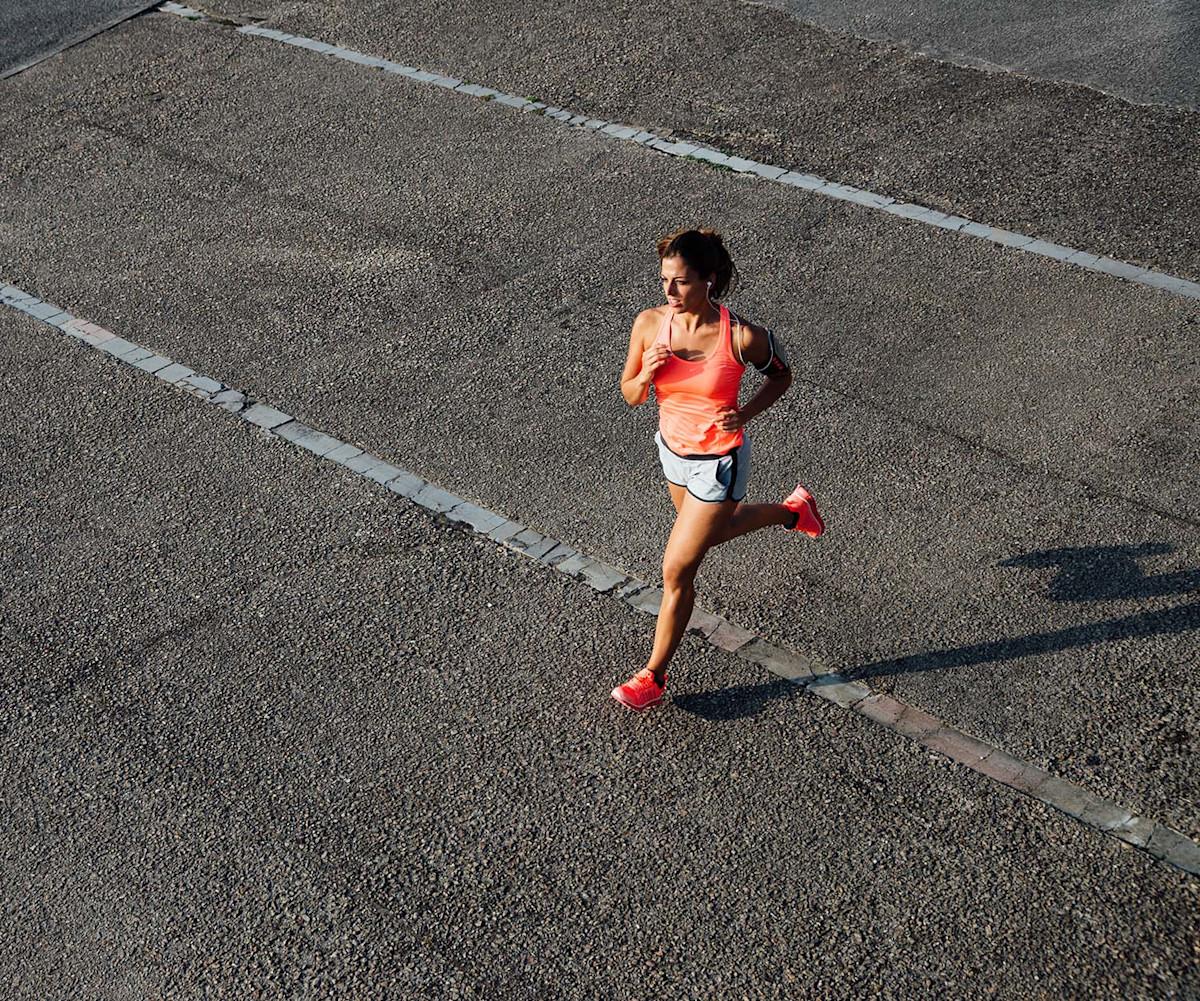
Shin splints develop when repeated stress is placed on the muscles, tendons, and bone tissue surrounding the tibia. Common contributing factors include:
• Rapid increases in training intensity or volume.
• Running on hard or uneven surfaces.
• Poor footwear or worn-out shoes.
• Inadequate recovery between workouts.
• Muscle weakness or tightness in the calves and lower legs.
• Biomechanical factors such as excessive foot pronation or altered running mechanics.
สาเหตุการเกิด Shin Splints
Shin Splints มักเกิดจากแรงกระแทกและแรงดึงซ้ำ ๆ ที่กระทำต่อกล้ามเนื้อ เส้นเอ็น และเยื่อหุ้มกระดูกบริเวณหน้าแข้ง โดยปัจจัยเสี่ยงที่พบบ่อย ได้แก่
• เพิ่มระยะทางหรือความหนักของการวิ่งเร็วเกินไป
• วิ่งบนพื้นแข็งหรือพื้นเอียงเป็นประจำ
• สวมรองเท้าที่ไม่เหมาะสมหรือเสื่อมสภาพ
• พักฟื้นไม่เพียงพอระหว่างการฝึก
• กล้ามเนื้อน่องและข้อเท้าตึงหรืออ่อนแรง
• รูปแบบการลงเท้าที่ผิดปกติ เช่น เท้าแบนหรือมีการบิดเข้าด้านในมากเกินไป (Overpronation)
Who Is Most at Risk?

Several groups are more likely to develop shin splints, including:
• New runners beginning a training program.
• Distance runners increasing mileage too quickly.
• Athletes participating in sports with frequent jumping or sprinting.
• Military personnel during intensive training.
• Individuals returning to exercise after a long break.
ใครบ้างที่มีความเสี่ยง?
กลุ่มที่พบ Shin Splints ได้บ่อย ได้แก่
• นักวิ่งมือใหม่
• นักวิ่งที่เพิ่มระยะหรือความเร็วอย่างรวดเร็ว
• นักกีฬาที่ต้องวิ่งหรือกระโดดบ่อย เช่น ฟุตบอล บาสเกตบอล และวอลเลย์บอล
• ทหารหรือผู้ที่ฝึกสมรรถภาพอย่างหนัก
• ผู้ที่กลับมาออกกำลังกายหลังหยุดไปเป็นเวลานาน
Can Shin Splints Be Prevented?
The following strategies may reduce your risk:
1. Reduce Aggravating Activities
Temporarily decrease running or high-impact exercise while maintaining fitness through lower-impact activities such as cycling or swimming.
2. Apply Ice
Ice packs applied for 15–20 minutes several times per day can help reduce pain and inflammation, especially after activity
3. Gradually Return to Training
Resume exercise only after symptoms have significantly improved, increasing intensity and mileage gradua
4. Optimize Footwear
Supportive shoes that match your foot type and activity level can reduce excessive loading. Replace running shoes regularly as cushioning wears down.
5. Strength and Flexibility Exercises
Improving calf strength, ankle mobility, and lower limb control can reduce stress on the shin. Exercises may include:
ป้องกันได้อย่างไร?
แม้จะไม่สามารถป้องกันได้ทั้งหมด แต่สามารถลดความเสี่ยงได้ด้วยวิธีต่อไปนี้
1. ลดหรือหยุดกิจกรรมที่กระตุ้นอาการ
ควรลดการวิ่งหรือกิจกรรมที่มีแรงกระแทกสูงชั่วคราว และเปลี่ยนไปออกกำลังกายแบบแรงกระแทกต่ำ เช่น ปั่นจักรยานหรือว่ายน้ำ
2. ประคบเย็น
ประคบเย็นครั้งละ 15–20 นาที วันละหลายครั้ง โดยเฉพาะหลังออกกำลังกาย เพื่อช่วยลดอาการปวดและการอักเสบ
3. กลับไปออกกำลังกายอย่างค่อยเป็นค่อยไป
เมื่ออาการดีขึ้น ควรเพิ่มระยะทาง ความเร็ว และความหนักของการฝึกทีละน้อย เพื่อให้ร่างกายมีเวลาปรับตัว
4. เลือกรองเท้าที่เหมาะสม
รองเท้าที่รองรับแรงกระแทกได้ดีและเหมาะกับลักษณะเท้าของผู้สวมใส่ สามารถช่วยลดความเสี่ยงต่อการเกิด Shin Splints ได้ ควรเปลี่ยนรองเท้าเมื่อเริ่มเสื่อมสภาพหรือใช้งานครบอายุการใช้งาน
5. ฝึกความแข็งแรงและความยืดหยุ่น
การออกกำลังกายเพื่อเพิ่มความแข็งแรงของกล้ามเนื้อขาและสะโพก รวมถึงการยืดกล้ามเนื้อน่อง สามารถช่วยลดแรงกดที่กระดูกหน้าแข้งและลดโอกาสการกลับมาเป็นซ้ำได้
Recommended Exercises for Shin Splints
1. Heel Raises
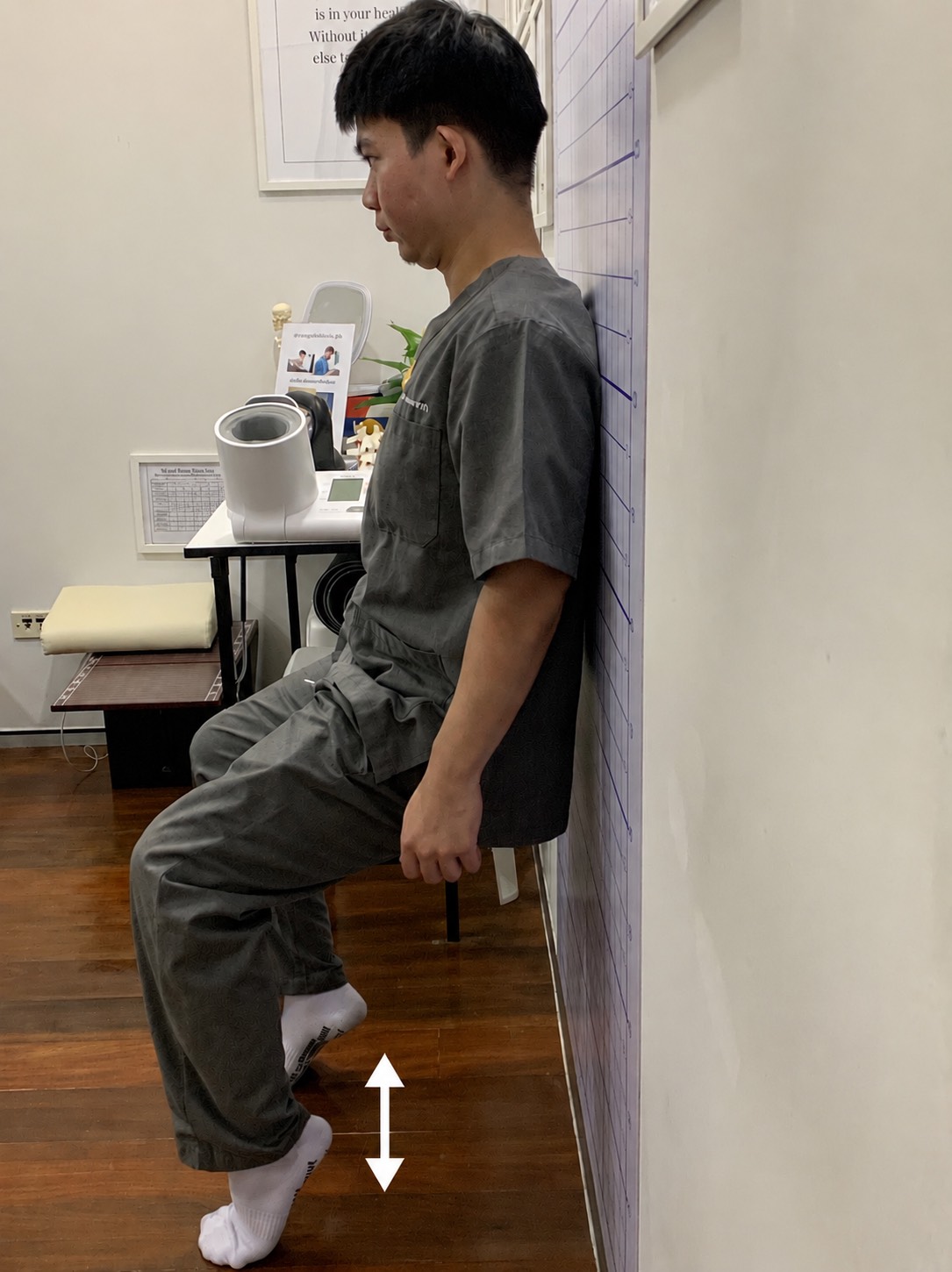
Strengthens the calf muscles and improves shock absorption during walking and running.
How to Perform:
- Sit against a wall with knees bent about 90°.
- Lift your heels off the floor while keeping your toes on the ground.
- Hold for 1–2 seconds.
- Slowly lower your heels back down.
- Do this 2–3 sets 15–20 repetitions.
ช่วยเสริมความแข็งแรงของกล้ามเนื้อน่อง ทำให้ขารับแรงกระแทกได้ดีขึ้น ลดภาระที่กระดูกหน้าแข้ง
ขั้นตอนการทำ
• นั่งพิงกำแพง เข่างอประมาณ 90 องศา
• ยกส้นเท้าขึ้น โดยให้ปลายเท้ายังแตะพื้นอยู่
• ค้างไว้ 1–2 วินาที
• ทำ 2–3 เซต เซตละ 15–20 ครั้ง
2. Single-Leg Bridge
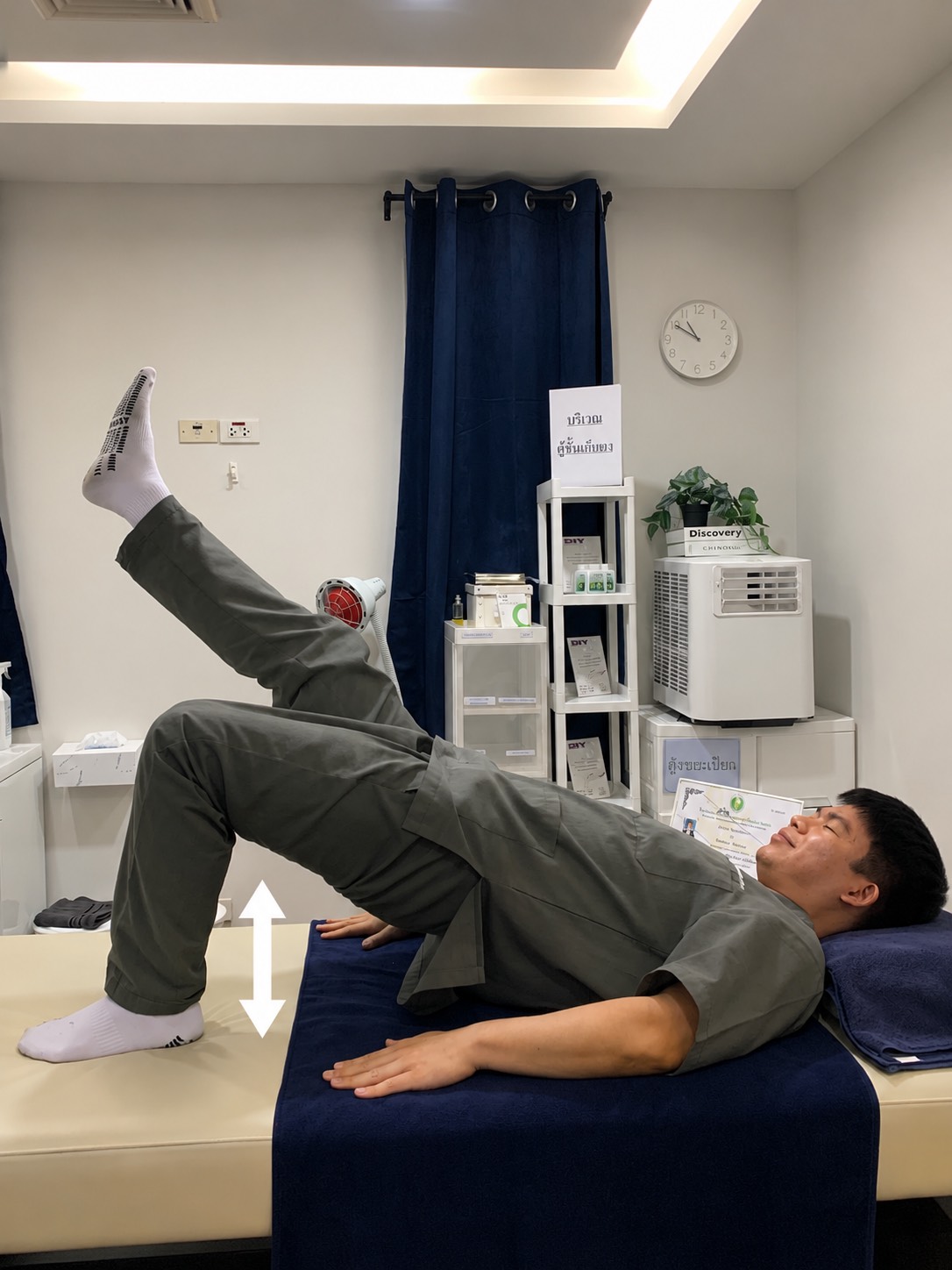
Strengthens the glutes and hips, helping improve lower-limb alignment and reduce excessive stress on the shin.
How to Perform:
- Lie on your back with one knee bent and the other leg straight.
- Tighten your core.
- Lift your hips until your body forms a straight line from shoulders to knee.
- Lower slowly and repeat.
- Do this 2–3 sets 10–15 repetitions per leg.
เสริมความแข็งแรงของกล้ามเนื้อสะโพกและก้น ช่วยให้แนวการเคลื่อนไหวของขาดีขึ้น ลดแรงกดที่หน้าแข้งขณะเดินหรือวิ่ง
ขั้นตอนการทำ
• นอนหงาย งอเข่าข้างหนึ่ง อีกข้างเหยียดตรง
• เกร็งหน้าท้อง
• ยกสะโพกขึ้นจนลำตัวตรงจากหัวไหล่ถึงเข่า
• ค่อย ๆ ลดสะโพกลง
• ทำ 10–15 ครั้งต่อเซต จำนวน 2–3 เซต
3. Resistance Band Ankle Dorsiflexion
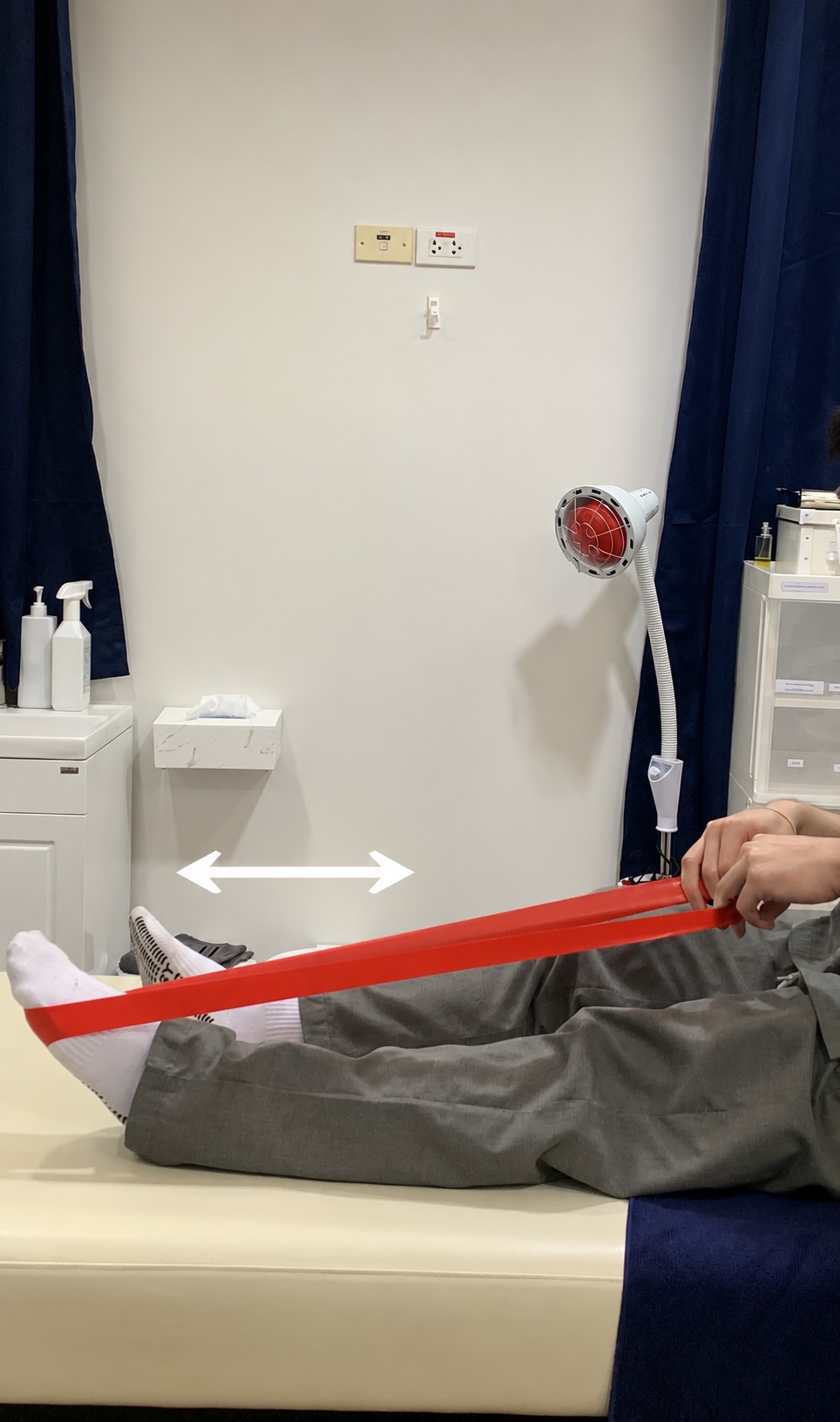
Strengthens the tibialis anterior, the muscle along the front of the shin that is often involved in shin splints.
How to Perform:
- Sit with your leg straight..
- Loop a resistance band around the forefoot and hold the ends.
- Pull your toes toward your shin against the band's resistance.
- Slowly return to the starting position.
- Do this 2–3 sets 10–15 repetitions per leg.
ช่วยเสริมความแข็งแรงของกล้ามเนื้อหน้าแข้ง (Tibialis Anterior) ซึ่งเป็นกล้ามเนื้อสำคัญที่มักอ่อนแรงในผู้ที่มีอาการ Shin Splints
ขั้นตอนการทำ
• นั่งเหยียดขาตรง
• คล้องยางยืดไว้ที่ปลายเท้า
• ดึงปลายเท้าเข้าหาตัว ต้านแรงยาง
• ค่อย ๆ ปล่อยกลับสู่ท่าเริ่มต้น
• ทำ 10–15 ครั้งต่อเซต จำนวน 2–3 เซต
When Should You Seek Professional Help?
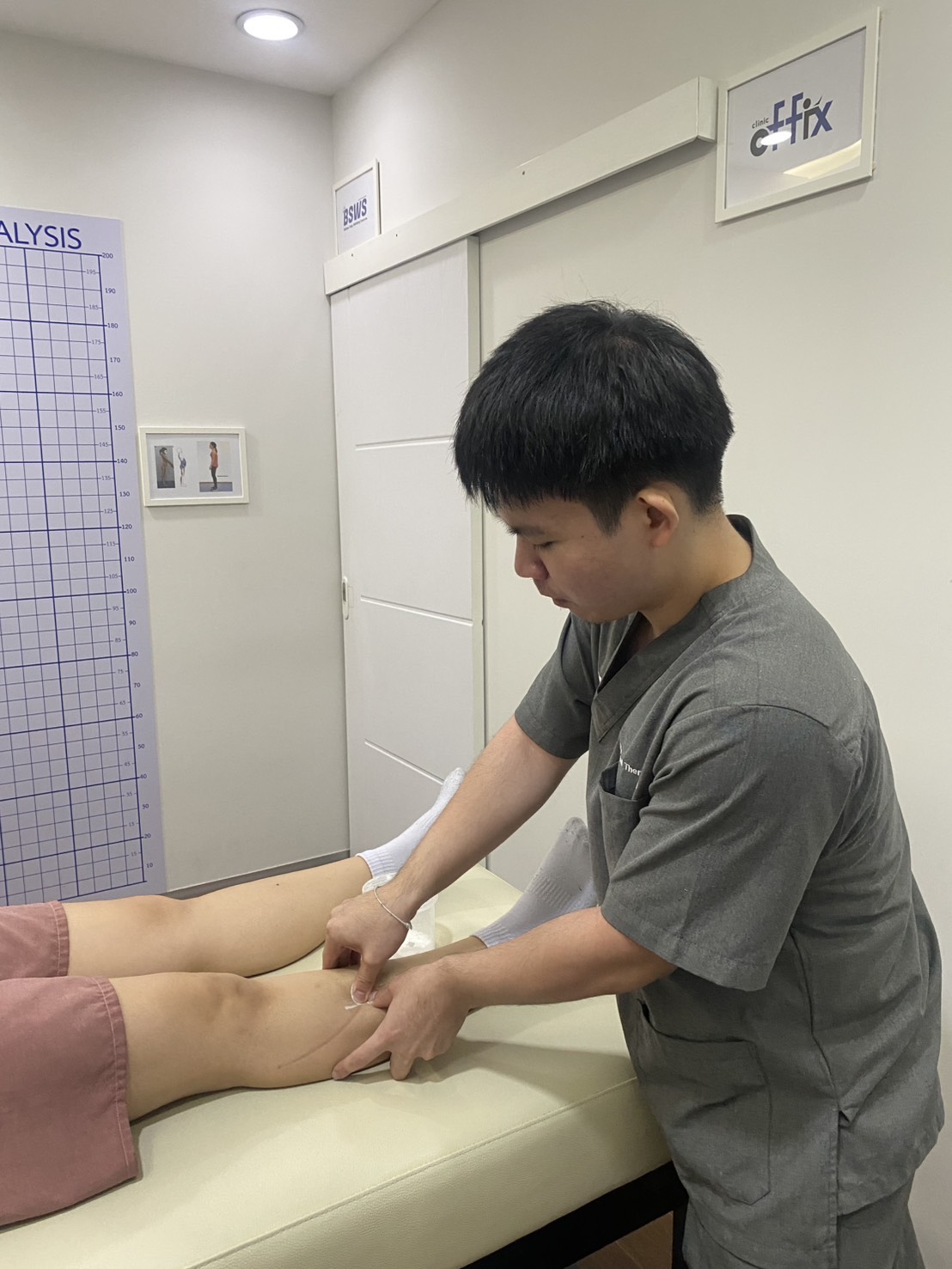
- Pain is severe or worsening.
- Symptoms do not improve after several weeks of rest and rehabilitation
- Pain occurs even while walking or at rest.
- There is significant swelling, numbness, or inability to bear weight.
- You suspect a stress fracture or another serious injury.
• ควรเข้ารับการประเมินหากมีอาการดังต่อไปนี้
• อาการไม่ดีขึ้นหลังพักและดูแลตนเองหลายสัปดาห์
• ปวดแม้ขณะเดินหรือพักเฉย ๆ
• มีอาการบวมมาก ชา หรือเดินลงน้ำหนักไม่ได้
• สงสัยว่ามีกระดูกแตกร้าวจากความเครียด
ออกใบรับรองแพทย์การทำหัตถการได้
ออกใบเสร็จรับเงินเต็มรูปแบบได้
สำรองจ่ายก่อนแล้วนำไปเบิกได้
เราเป็นสถานพยาบาลคลินิก
สบายใจค่า มาคลายกล้ามเนื้อกัน
━━━━━━━━━━━━━━━━━━
ออฟฟิกซ์คลินิก – คลินิกเฉพาะทางออฟฟิศซินโดรม
เปิดทุกวัน จันทร์-ศุกร์ เวลา 09.00 – 18.00 น. เสาร์อาทิตย์ เวลา 09.00 – 18.00 น.
ชั้น 1 อาคารออฟฟิศใหญ่สาธรซิตี้ ทาวเวอร์ ตั้งอยู่ใจกลางสาทร
BTS ช่องนนทรี (ทางออกที่ 5)
มีที่จอดรถสะดวกสบายสำหรับลูกค้า
Google MAP: https://maps.app.goo.gl/fJrjnpb4xWo5sY9bA
━━━━━━━━━━━━━━━━━━━
Offix Clinic – Specialized Office Syndrome Clinic
Open every day Monday – Friday from 09.00 a.m. to 06.00 p.m. Saturday – Sunday from 09.00 a.m. to 06.00 p.m.
1st Floor, Sathorn city tower
Chong Nonsi BTS Station (Exit 5)
Parking available for customers
Google MAP: https://maps.app.goo.gl/fJrjnpb4xWo5sY9bA


